Packrafting requires a lot of gear and it can be hard to know what to get when you are getting started. It is expensive to get yourself set up and there are a lot of options so it is worth connecting with local paddlers and trying out gear to work out what suits you. One of the first questions you should ask yourself is what kind of paddling do you want to. The ideal gear for open or flat water is different to what you will need for whitewater. We are finding lots of people get into packrafting planning on doing flat water and then find out how fun rapids are so much of the information on this page is targeted towards those intending on paddling some whitewater.
The BE WATERWISE #11 – SELECT IT: PICK YOUR PACKRAFTING GEAR video gives an overview of packrafts, paddles, PFDs and helmets.
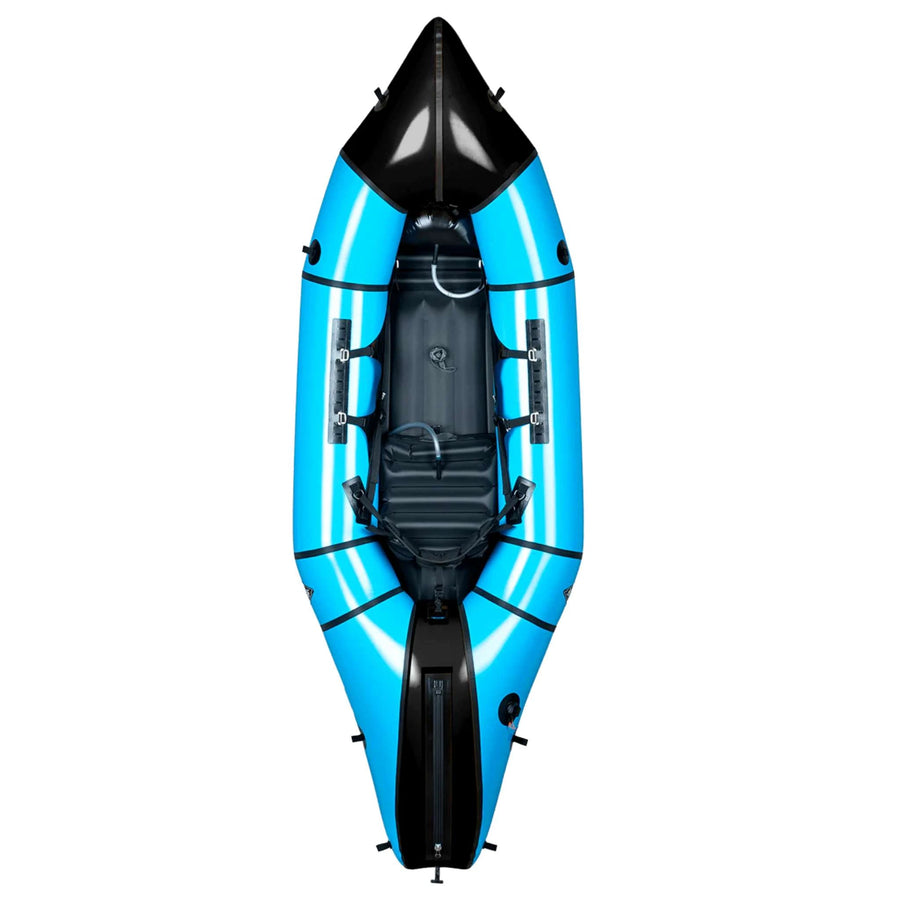
Packraft – The right packraft for you depends on what you are planning to paddle. Some key features to consider are:
Cargo zip – very useful if you want to do overnight paddles as you can keep all your gear inside and dry.
Self-bailer or skirted – most people in NZ are paddling self-bailing boats. These have holes in the floor so that the water drains but it also means you are sitting in water all of the time.
Thigh braces – most modern boats are coming with thigh braces by default. These are very useful for providing more control when paddling whitewater.
Summary of all the current Packraft Manufacturers (Jan 2018)
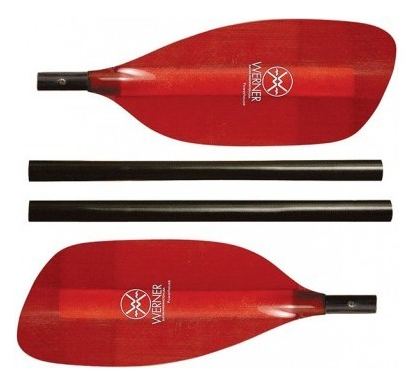
Paddle – While there may not be a perfect paddle for all situations the general advice for pack rafters is;
For open water or grade 1/2 a longer paddle 210cm-225cm is better than a shorter one 195-210cm. If you are carrying it long distances or paddling long days then lightweight is a bonus. A 4-piece split paddle fits inside most packs, 3-piece and 2-piece splits stick out, which can be challenging when bush bashing
Brendon’s Pick – Werner Powerhouse 197cm

Helmet – An essential bit of gear for moving water environments. There is a wide range of whitewater specific helmets to choose from.
Ear protection is perhaps underrated when looking for a paddling helmet, not only do those ear flaps help protect against side impacts, but they help prevent ‘surfers ear’/exestoses, a condition that develops with cold water exposure.
Brendon’s Pick – Sweet Protection – Sweet Rocker
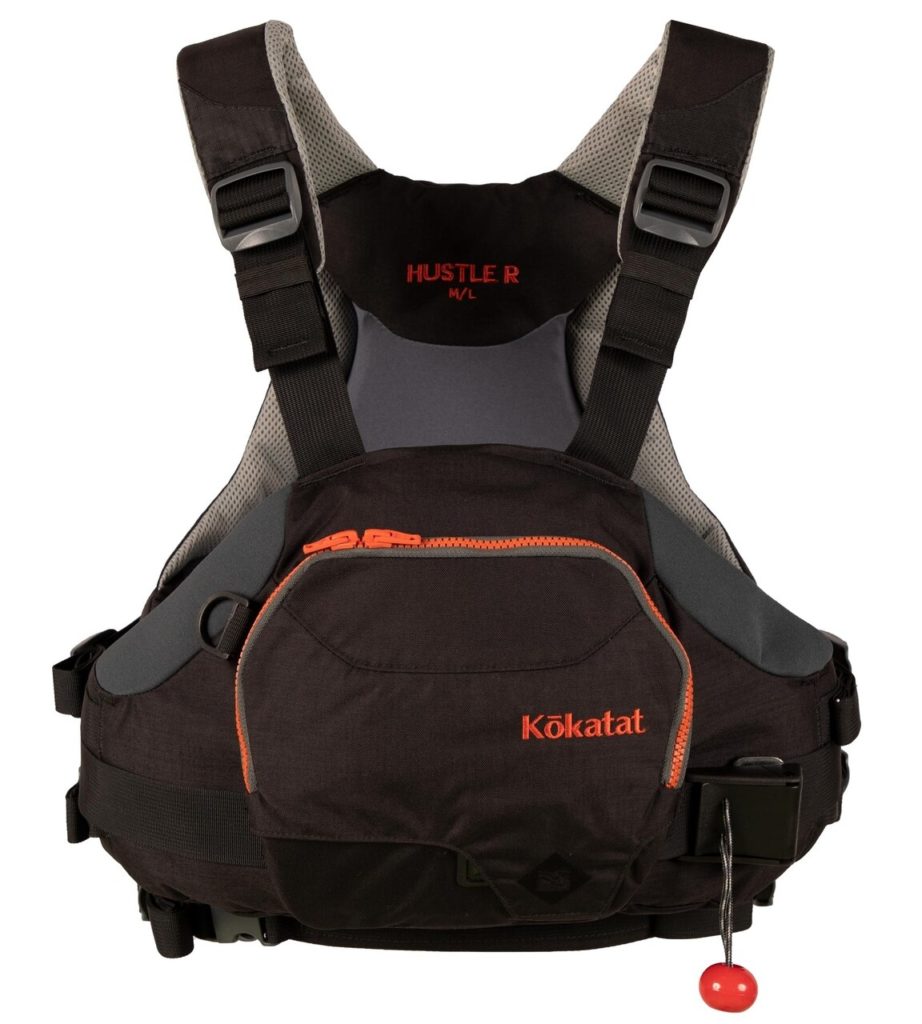
Personal Floatation Device (PFD) – There is no other piece of equipment more important than your PFD. It is there to provide flotation for when you unexpectedly find yourself in rather than on the water. More importantly for white water paddlers, your PFD is a rescue tool. A Rescue PFD creates a harness for others to save you from a challenging white water environment and also allows you to perform a rescue for others whilst dramatically increasing your safety with its releasable rescue belt.
Brendon’s Pick – Kokatat Hustler
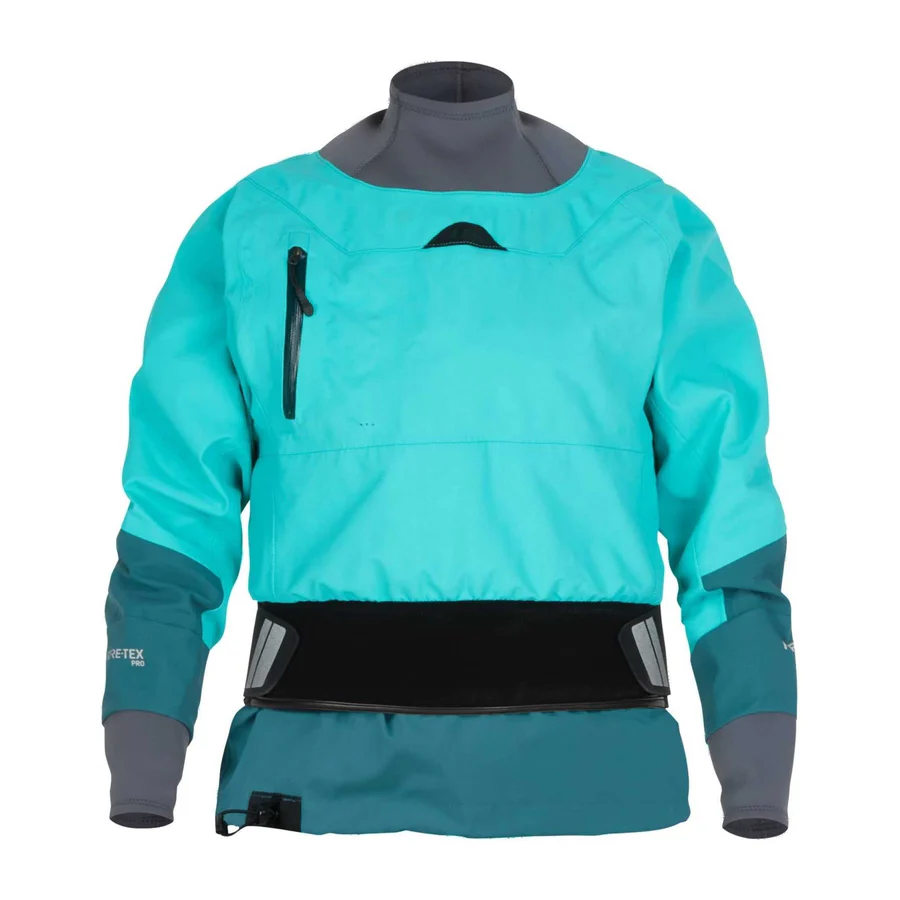
Warm layer – Drysuit, dry top, wetsuit. Staying warm while paddling is essential. There are many options and again what you need will depend on what you are doing and when you are paddling. The key is you must dress to swim
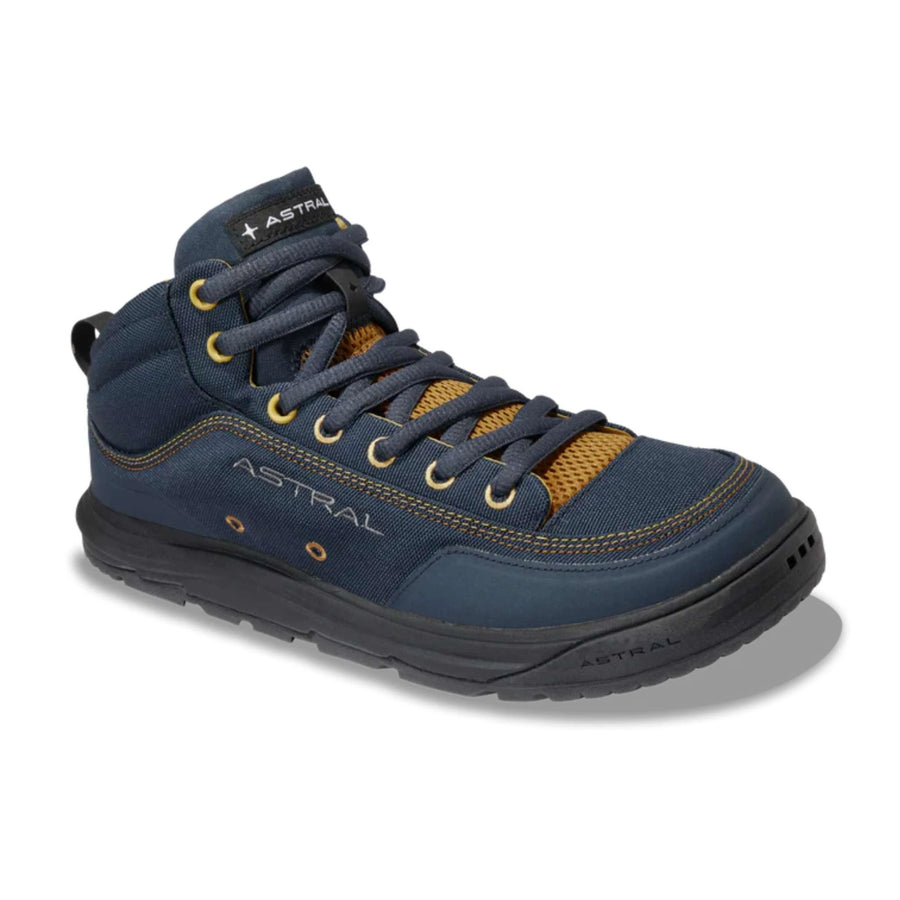
Shoes – Good shoes are essential to protect your feet from rocks when swimming and ensure good grip whilst scouting. River environments have a special way of destroying footwear. One consideration when purchasing shoes is to ensure they fit over your drysuit, often you might need to size up. There are a couple of brands doing paddling specific shoes but often people are also using trail shoes or similar.
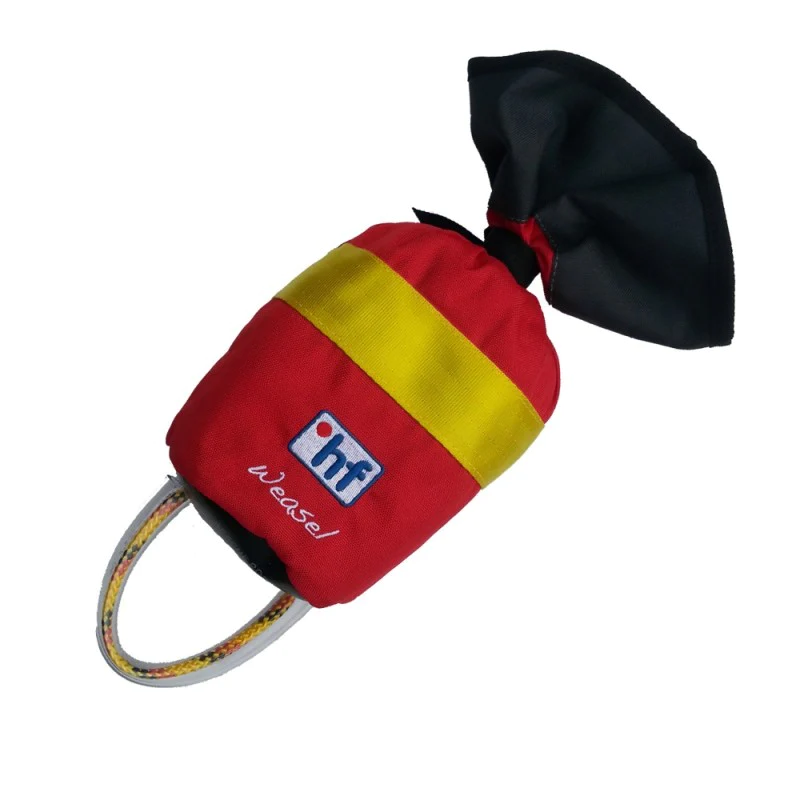
Throwbag – A rescue line that all packrafters should carry on moving water, this should be carried on your body or in a rapidly accessible place on your boat
The length (10-25m) depends on the rivers you are paddling a 12m throwbag might suit the Hutt Gorge but is completely unsuitable for the Buller where a 20m line is more suitable.
Line diameter – there is a disturbing trend with packrafters trying to save weight by getting a thinner line. In order to do its job it needs to have at least a 6mm rated floating line.
Brendon’s pick – HF Weasel 18m
Retailers
There are only a handful of companies around NZ who offer sales and hire of packrafting specific gear; we’ll attempt to maintain a directory of them here!
Most of the gear overlaps with whitewater kayaking and other water sports with a wider range of retailers.
There is also a small secondhand market for used gear, Packrafting Buy, sell and rent new zealand on Facebook is a good place to start.